One investigation illustrates how planning, two-investigator surveillance, and careful observation can come together.
The identifying circumstances of this case have been changed to protect the privacy of everyone involved.
A client who lived outside the immediate area contacted us because she strongly suspected that her husband was involved with someone else. His work provided him with considerable freedom to travel throughout a large metropolitan area, making him a particularly difficult surveillance subject.
The client wanted us to follow him for an extended period. Initially, I was reluctant to accept the assignment.
Based on the amount of territory he covered and the number of locations he could potentially visit, I explained that even with multiple investigators, there was a real possibility that we could lose him. I did not want the client spending a substantial amount of money believing that we could guarantee something I knew we could not guarantee.
She understood the concern but remained adamant that she wanted us to proceed.
One piece of information she provided eventually became very important.
The client had lawful access to records from a shared account that showed certain toll activity associated with her husband’s travels. One particular toll was consistent with a route he might take when visiting a relative. Seeing that transaction ordinarily reassured her because it appeared to confirm where he had gone.
There had also been another toll transaction on a different occasion that she could not explain.
On the morning of the surveillance, my partner and I arrived early and established positions near the residence. The subject departed as expected, and we began mobile surveillance.
His first stop was at a business the client had told us he frequently visited. We handled the stop using our two-investigator approach. One investigator entered the property with the subject while the other repositioned farther along the only practical departure route.
The subject purchased ordinary morning items and continued driving.
Initially, everything appeared routine.
He then crossed a major bridge into another urban area, passing through the toll location that the client associated with his relative.
At first, that appeared to support exactly what the client expected.
But almost immediately after entering the area, the subject began making a series of turns and headed back toward the highway he had just left.
My first thought was that he might have detected the surveillance.
Then something else occurred to me.
He had gone through the toll and almost immediately reversed direction.
I began to consider whether the toll transaction itself might have significance. If someone later reviewed the shared account, the transaction would show that he had traveled through the toll location the client associated with visits to his relative. We could not know why he had taken that route, but his immediate reversal made the movement noteworthy.
We continued the surveillance while maintaining sufficient distance.
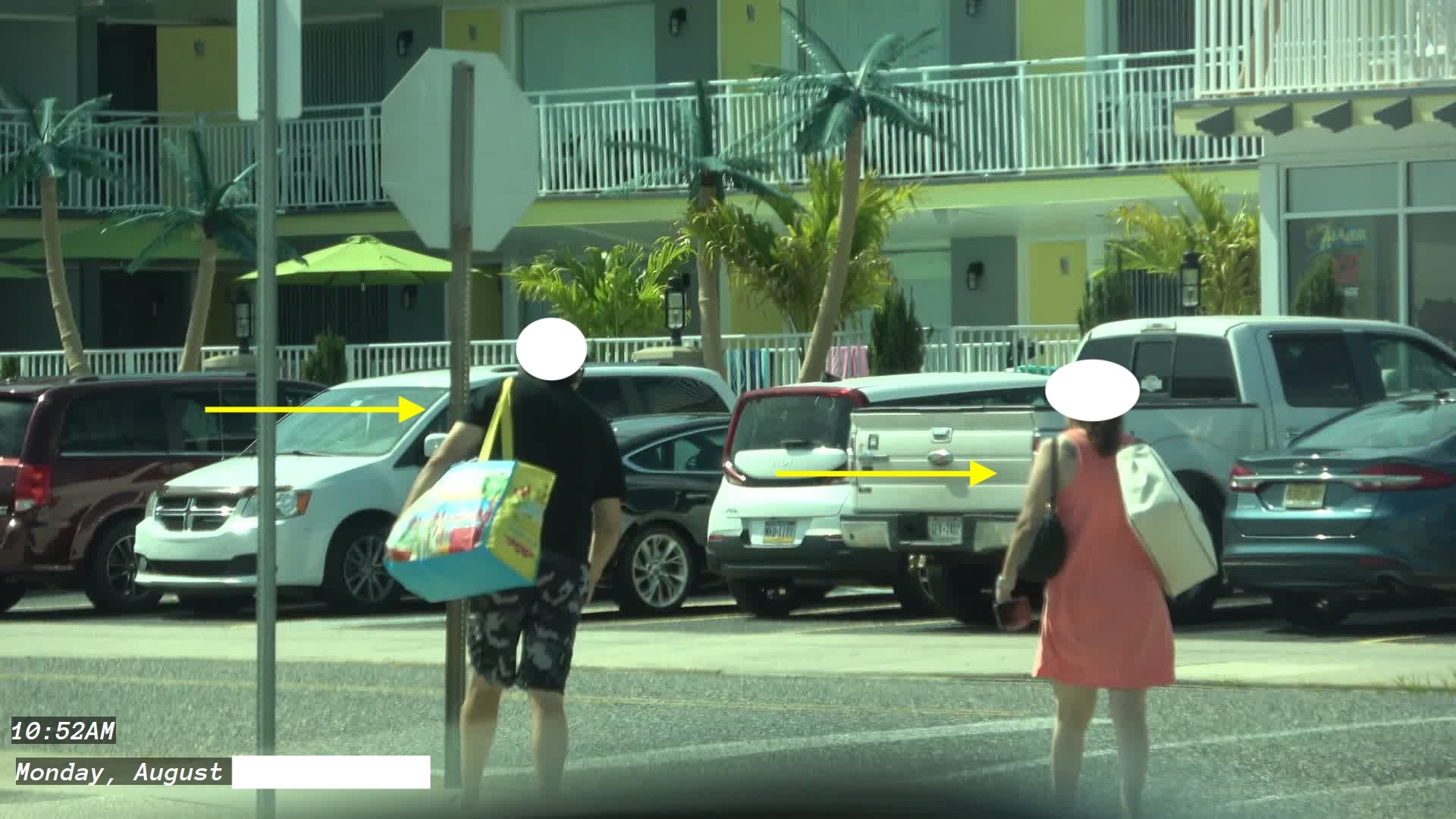
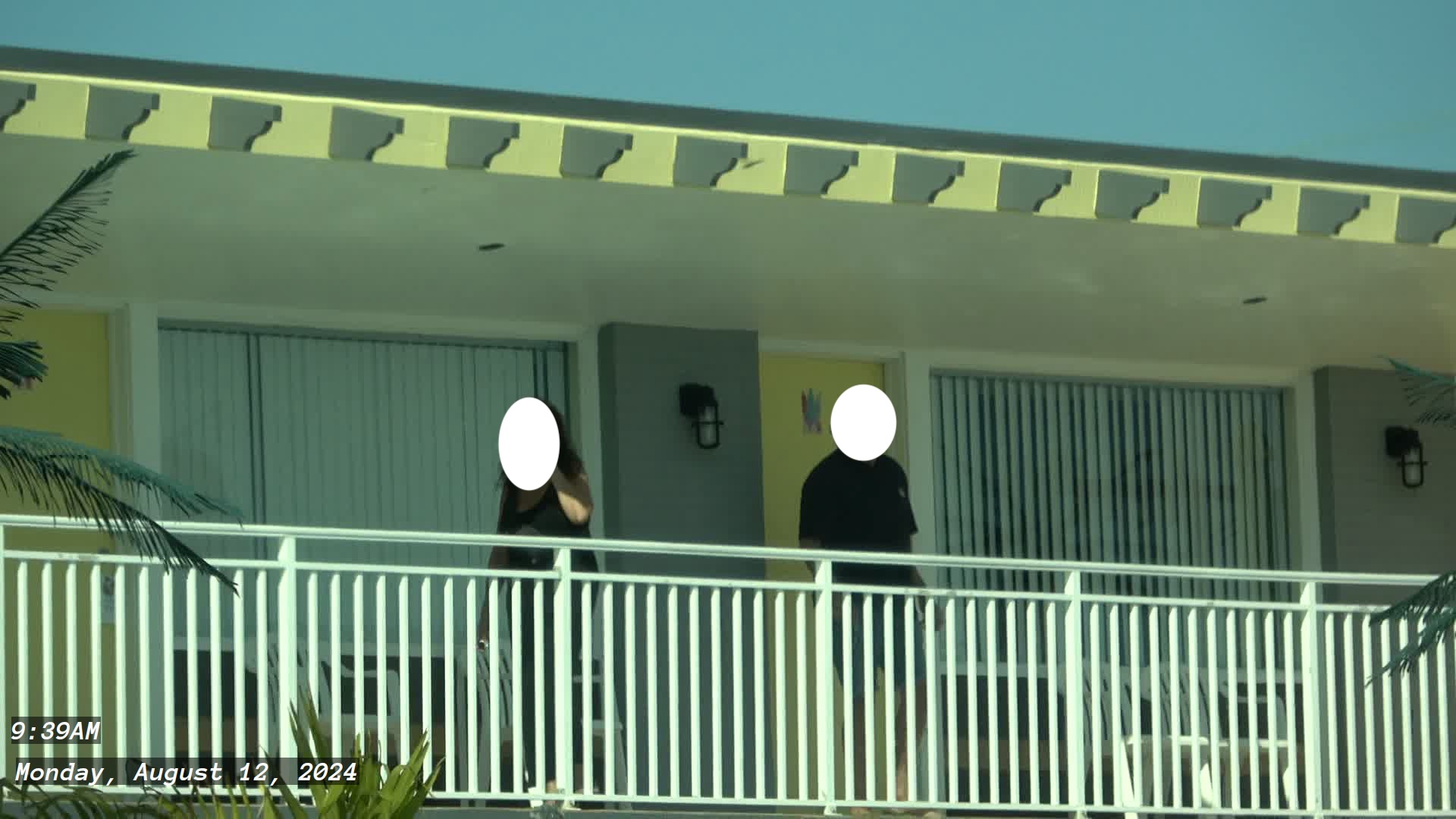
Several miles after returning in the opposite direction, the subject entered a small motel.
One investigator followed him onto the property while the second covered another entrance. We documented the subject entering the motel office and subsequently identified where his vehicle was parked.
The subject had arrived carrying two coffees.
A short time later, my partner observed another vehicle enter the property. A woman parked near the room associated with the subject. The subject approached her vehicle, brought her one of the coffees, and the two briefly kissed.
The subject then moved his own vehicle to another area of the property. The woman remained parked near the room, and shortly afterward, both were no longer visible from our exterior surveillance positions in the immediate vicinity of the room.
We maintained surveillance.
Approximately four hours later, the two emerged. They again displayed affection before separating and returning to their respective vehicles.
At that point, we followed the woman from the motel and were able to establish where she lived.
The investigation that I had initially worried might require following a difficult subject throughout a large metropolitan area had produced significant evidence relatively early in the surveillance.
But it wasn’t luck alone.
Information supplied by the client, advance planning, the use of two investigators, an understanding of the subject’s routine, recognizing the significance of an unexpected change in direction, and being positioned to react when the subject entered the motel all contributed to the result.
The toll transaction was particularly instructive. Standing alone, it appeared to support the explanation the client had previously accepted. It was only when we observed what happened immediately after the subject passed through that location that the same piece of information took on a different potential significance.
That is the nature of surveillance. You develop the best plan possible before entering the field, but once the subject begins moving, the investigation becomes fluid. Experienced investigators must continually interpret what they are seeing, communicate with one another, adjust their positions, and recognize when something that initially appears insignificant may actually become the most important development of the day.